
Beyond Books:
BRAC's Co-curricular Activities & Child Safeguarding Commitment
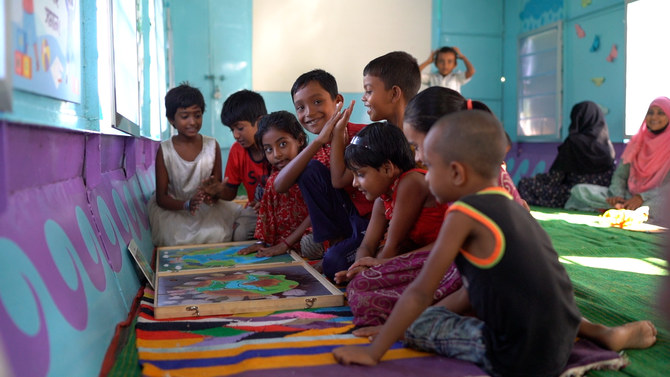
"A school that only teaches from textbooks produces students. A school that also plays, protects, and cares produces confident, healthy human beings."
Education at BRAC is not confined to the four walls of a classroom or the pages of a textbook. BRAC understands that children learn as much on the playing field as they do at a desk. They grow as much through a drawing competition as through a math lesson. And they thrive only when they feel physically safe, emotionally secure, and mentally healthy.
This is why every BRAC school is built on three pillars that extend far beyond traditional academics: co-curricular engagement, child safeguarding, and health education. Together, they create an environment where children do not just study — they flourish.
1. Co-curricular Activities: Learning Through Play and Expression
BRAC firmly believes that co-curricular activities are not luxuries or distractions — they are essential components of child development. Sports build teamwork and resilience. Cultural events build confidence and identity. Art builds creativity and emotional expression. BRAC integrates all of these into the annual school calendar.
🏅 Annual Sports Competitions
Every year, BRAC schools organize sports days that bring together students, teachers, parents, and the wider community. These are not elaborate Olympic-style events — they are simple, joyful gatherings that celebrate physical activity and friendly competition.
What Sports Day Looks Like
- Track races: Short sprints and relay races for different age groups
- Traditional games: Local rural games that children already know and love — adapted for school competition
- Team sports: Football, cricket, and volleyball matches that teach cooperation and strategy
- Fun races: Sack races, three-legged races, and egg-and-spoon races that make everyone laugh
- Participation for all: Every child is encouraged to participate — not just the fastest or strongest
- Community cheering: Parents and villagers gather to watch, creating a festive atmosphere that bonds the school with its community
For girls in particular, sports day is a rare and precious opportunity. In conservative rural communities where girls are often restricted from physical activity, BRAC's sports programmes send a powerful message: girls have the right to run, jump, compete, and win.
🎭 Cultural Events & Performances
Cultural programmes are woven into the BRAC school experience throughout the year. These events serve multiple purposes — they preserve local culture, build public speaking confidence, and give children a platform to shine in front of their families.
- Poetry recitation: Children memorize and perform Bangla poems, developing language skills and stage presence
- Folk songs & dances: Traditional Baul, Bhawaiya, and local folk performances keep cultural heritage alive
- Drama & role-play: Students write and perform short plays on social issues — child marriage, hygiene, environmental conservation
- Independence & Victory Day celebrations: Patriotic songs, history quizzes, and flag ceremonies on national holidays
- Parent showcases: Cultural events where parents are invited to watch their children perform — building pride and parental investment in education
🎨 Drawing & Art Competitions
Art is not treated as an extracurricular afterthought at BRAC — it is a core tool for learning and expression. Regular drawing competitions encourage children to visualize their world, express emotions they may not have words for, and develop fine motor skills.
- Themed competitions: "My Village," "My Dream," "Clean Environment" — connecting art to curriculum themes
- Classroom art walls: Every BRAC classroom displays student artwork, giving children a sense of ownership and pride
- Art as therapy: For children in crisis settings — such as Rohingya refugee camps — drawing becomes a vital outlet for processing trauma
📖 Book Reading Festivals
BRAC actively cultivates a reading culture through annual book reading festivals and storytelling events:
- Storytelling sessions: Teachers and community elders read aloud from Bangla folk tales and children's literature
- Reading challenges: Children compete to read the most books in a term — with certificates and small prizes
- Book exchanges: Children bring books from home to share with classmates, building a community library culture
- Author visits: Where possible, local writers and illustrators visit BRAC schools to inspire young readers
2. Child Safeguarding Policy: Safety as a Non-Negotiable Right
A child cannot learn if they do not feel safe. BRAC takes this truth with absolute seriousness. Every BRAC school operates under a comprehensive Child Safeguarding Policy that protects children from physical harm, emotional abuse, neglect, and exploitation.
🛡️ The Four Pillars of BRAC Safeguarding
BRAC's safeguarding framework is built on four interconnected pillars:
1. Prevention
- Strict code of conduct for all staff: Every teacher, facilitator, and volunteer signs a code of conduct that explicitly prohibits physical punishment, verbal abuse, inappropriate touching, and discrimination
- Background checks: All adults working with children undergo verification and reference checks
- Safe recruitment: BRAC follows rigorous recruitment procedures to ensure only trustworthy individuals are placed in child-facing roles
- Child-friendly spaces: Classrooms are designed to be visible and open — discouraging any opportunity for private, inappropriate interactions
2. Detection
- Teacher training on signs of abuse: BRAC teachers are trained to recognize physical, emotional, and behavioural signs that a child may be experiencing harm at home or in the community
- Regular check-ins: Teachers are encouraged to build trusting relationships with students so children feel safe to speak up
- Anonymous reporting channels: Children and community members can report concerns through multiple channels — including a dedicated helpline
3. Response
- Immediate action protocols: If a safeguarding concern is raised, BRAC has clear step-by-step procedures for investigation, protection, and support
- Child-centred approach: The child's safety and well-being are always the first priority. The child is never blamed or punished for reporting
- Referral systems: BRAC connects affected children and families to counselling, legal aid, medical care, and child protection services
- Disciplinary action: Any staff member found violating safeguarding rules faces immediate suspension and termination, with referral to law enforcement where appropriate
4. Accountability
- Regular audits: BRAC conducts internal and external safeguarding audits across all programmes
- Reporting to donors: International partners require detailed safeguarding reports, ensuring external accountability
- Community transparency: Parents and SMC members are informed about safeguarding policies and their right to raise concerns
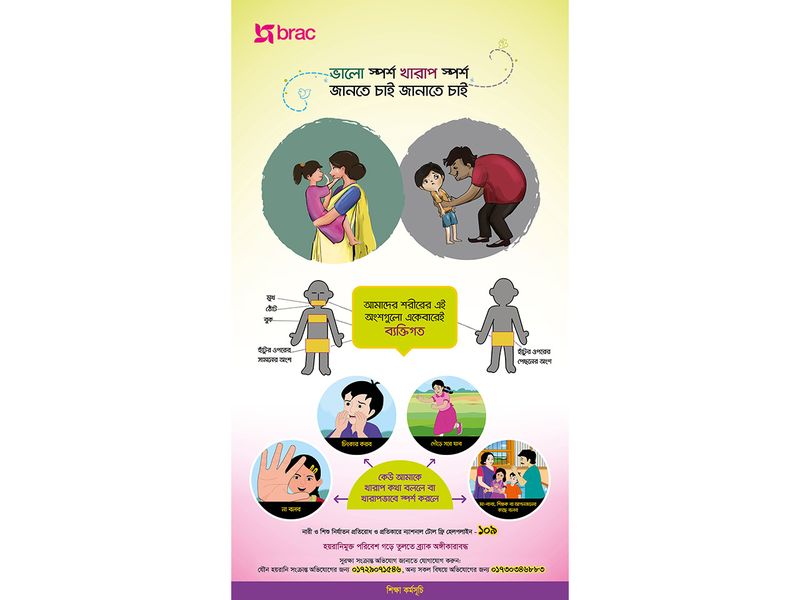
🤝 Good Touch vs. Bad Touch Education
BRAC has pioneered child-friendly safeguarding education that teaches children about their bodies, their rights, and how to seek help. Using age-appropriate picture books, cartoons, and interactive sessions, children learn:
- The difference between safe and unsafe touch
- That their body belongs to them and no one has the right to hurt them
- How to say "no" confidently to unwanted contact
- Who their trusted adults are — parents, teachers, or community helpers — and how to report concerns
- That speaking up is brave, not shameful
3. Health & Hygiene Education: Habits for a Lifetime
BRAC understands that a sick child cannot learn and that poor hygiene spreads disease. That is why health and hygiene education is embedded into the daily routine of every BRAC school — not as a separate subject, but as a way of life.
🧼 Handwashing: The First Lesson of the Day
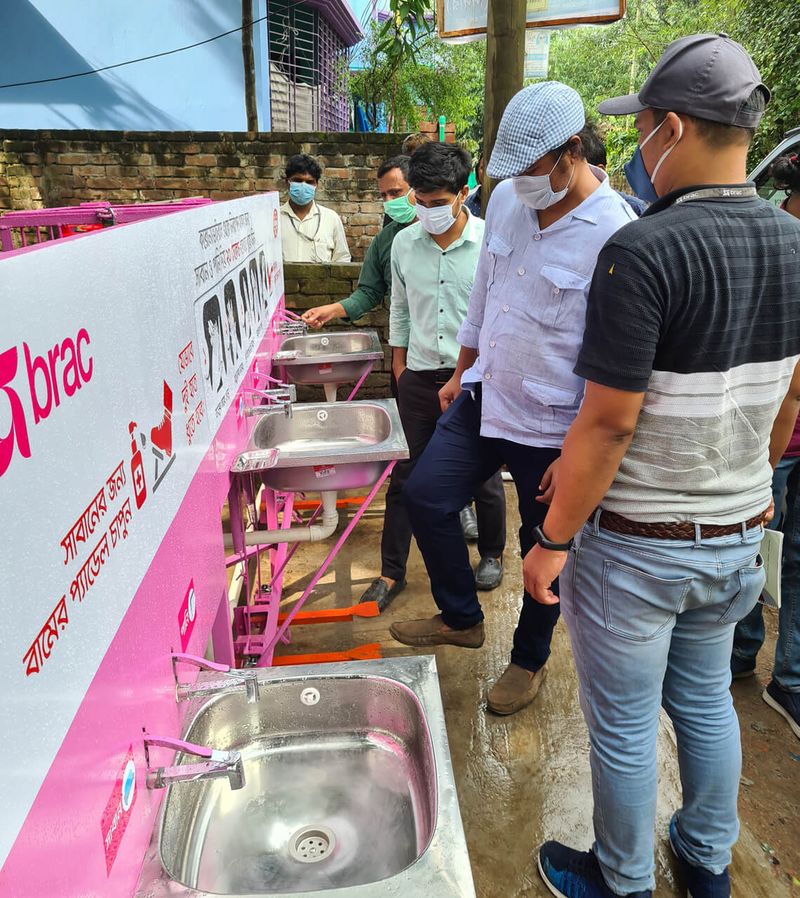
In BRAC schools, the day often begins with a simple but powerful ritual: handwashing. Teachers lead children through the proper steps — wet, lather, scrub, rinse, dry — turning a health habit into a fun, communal activity.
BRAC's Handwashing Programme
- Daily routine: Children wash hands before eating, after using the toilet, and after playing
- Accessible facilities: BRAC installs low-cost handwashing stations near classrooms — often with foot-pedal taps to reduce water waste and contact
- Soap provision: Where possible, soap is provided free of charge. Where resources are limited, teachers teach children to bring soap from home
- Singing while scrubbing: Children sing a 20-second rhyme while washing — ensuring they scrub long enough to kill germs
- Community demonstration: Children are encouraged to teach handwashing to younger siblings and parents, creating a ripple effect of hygiene awareness
🪥 Personal Hygiene & Grooming
Beyond handwashing, BRAC teaches a comprehensive personal hygiene curriculum:
- Daily bathing and clean clothes: Encouraging children to maintain cleanliness even in resource-poor settings
- Dental care: Teaching proper tooth-brushing techniques and the importance of oral health
- Nail trimming: A simple practice that dramatically reduces the spread of intestinal parasites
- Hair care: Regular combing and cleanliness to prevent lice and skin infections
- Foot hygiene: Especially important in flood-prone areas where children walk through contaminated water
🩺 Health Awareness Lessons
BRAC integrates health education into the regular curriculum through interactive lessons:
- Nutrition education: Teaching children about balanced diets, the importance of vegetables and protein, and the dangers of junk food
- Disease prevention: Lessons on how diseases spread, the role of vaccines, and when to seek medical help
- Menstrual hygiene management: For adolescent girls, BRAC provides education on menstruation, sanitary pad use, and breaking the stigma around periods
- Mental health awareness: Simple lessons on managing stress, expressing emotions, and seeking help when feeling sad or anxious
- COVID-19 and pandemic preparedness: Mask use, physical distancing, and respiratory hygiene integrated into school routines
4. Conclusion: The Whole Child, The Whole Future
BRAC's co-curricular, safeguarding, and health education programmes share a common philosophy: education is not just about what happens inside a textbook. It is about what happens inside a child.
When a child runs in a sports race, they learn resilience. When they perform in a cultural programme, they learn confidence. When they know their body is their own and no one can hurt them, they learn dignity. When they wash their hands and teach their little brother to do the same, they learn responsibility.
These are not extracurricular extras. They are the essential building blocks of a complete human being. And BRAC, true to its mission, ensures that every child — regardless of poverty, geography, or circumstance — has access to them all.